Blog ·
Coordinating Multiple Vendors for Seamless Execution
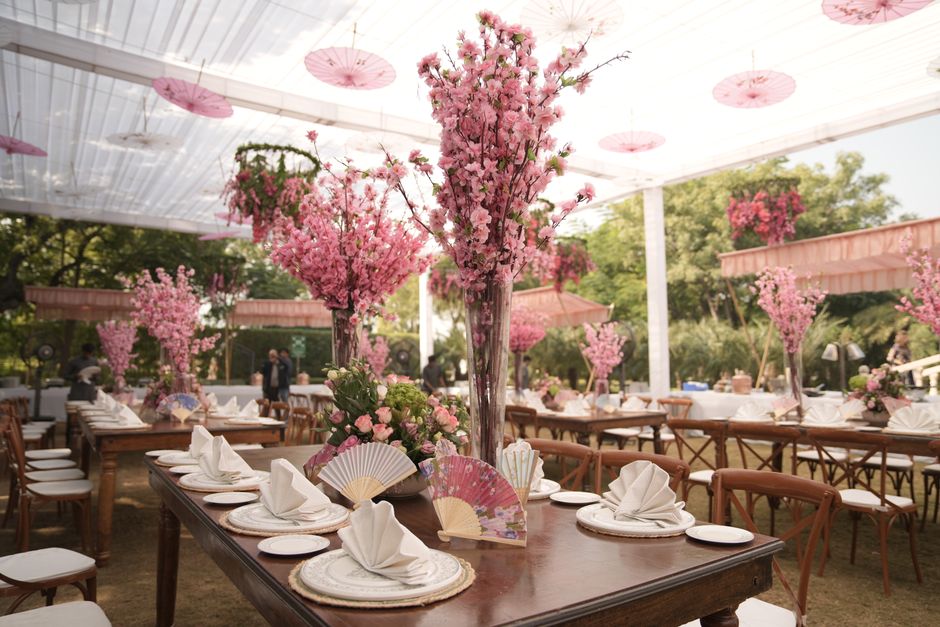
Managing numerous vendors is one of the most complex aspects of wedding planning. Each person brings different expertise and communication styles, yet everyone must work together harmoniously to create a seamless experience for your guests.
Establish Clear Communication Channels
Create a centralized system for vendor communication. A shared platform or email chain allows everyone to see updates and deadlines simultaneously, eliminating the risk of conflicting information. Designate one primary contact person—ideally your wedding coordinator—who manages all vendor interactions. This prevents confusion from receiving contradictory instructions from multiple people.
Provide Comprehensive Documentation
Prepare written details for each vendor covering your specific requirements. Include your exact wedding day timeline, emergency contact information, parking details, setup locations, and any special requests. These documents should be specific rather than general—instead of "beautiful flowers," describe your exact color palette and arrangement style. Provide floor plans showing where each vendor's work appears in your venue space.
Schedule Pre-Wedding Walkthroughs
Arrange for each vendor to visit your venue before the wedding day, ideally together when possible. These walkthroughs allow photographers to scout lighting conditions, caterers to understand kitchen facilities, and florists to assess arrangement placement. When vendors see the actual space, they can anticipate challenges and problem-solve proactively.
Create Detailed Timing Documents
Develop a precise hour-by-hour breakdown of your wedding day. This timeline should specify when hair and makeup concludes, when photos begin, when guest arrivals start, when ceremony begins, and when each reception element occurs. Share this timeline with all vendors at least two weeks before your wedding. This synchronization prevents vendors from working at cross purposes.
Facilitate Vendor Introductions
Encourage your vendors to connect with each other before the wedding. When your photographer understands your florist's vision and placement plans, they can position guests and capture arrangements beautifully. When your caterer communicates with your coordinator, they can time service perfectly around ceremonies and toasts.
Build in Contingency Planning
Ask each vendor specifically how they handle common challenges: weather delays, timeline compression, or unexpected guest numbers. Understanding their problem-solving approaches helps you address issues confidently if they arise.
Coordination transforms individual vendor performances into one unified execution. When everyone understands the complete picture and their specific role within it, your wedding flows beautifully and your guests experience the celebration you envisioned.